Showing posts with label Health. Show all posts

Friday, 14 October 2016

Out of surgery! Twin boys conjoined at the head are finally separate after 20-hour op that veteran surgeon almost stopped half-way through


A pair of twins conjoined at the head have been successfully separated after a 20-hour operation.Anias and Jadon McDonald, 13 months old, are recovering in the Bronx's Montefiore Hospital after their life-threatening operation on Thursday.According to their surgeon - Dr James Goodrich -it is incredible they made it this far.Half way through the operation, the veteran neurosurgeon considered stopping the procedureal together when they discovered the boys shared far more brain tissue than they had expected - even despite using 3D imaging to prepare.


With every cut, Anias' heart rate and blood pressure plummeted.Eventually he found an opening and continued, successfully separating the two.However, it means that while Jadon was wheeledout at 7am into the ward, Anias was still in surgery late on Friday morning.He was finally returned to his family at 1pm on Friday. Doctors warned he could face severe physical issues.Their parents Nicole and Christian, from near Chicago, Illinois, sat in the waiting room the whole time.


They boys were born via cesarean section last September near Chicago, Illinois.They were attached by the crown of the head.Nicole and 37-year-old Christian insisted the boys were perfect as they were.But in order to let them lead a normal life, they have traveled to Montefiore Hospital in the Bronx,New York, to have one of the world's most esteemed surgeons perform the incredibly rare operation to separate their heads.The operation costs $2.5 million.
Source. Dailymail.co

It's really a thing of joy..Jesus is beautiful

Wednesday, 28 September 2016

Meet DRu Sandile Kubheka, South Africa’s Youngest Doctor Ever at 20yrs


Dr Sandile Kubheka from Pietermaritzburg has made South African history by qualifying as the youngest doctor ever at the age of 20.

Kubheka graduated with a Bachelor of Medicine and Bachelor of Surgery degrees (MBChB) from the University of KwaZulu-Natal (UKZN)’s Nelson R Mandela School of Medicine with distinctions in obstetrics and gynaecology.

He matriculated from Siyamukhela High School at the age of 15 after having started school at the age of five.

“I am the first in my family to graduate with a medical degree,” Kubheka told Talk Radio 702’s Koketso Sochane.

Kubheka, who is the youngest of five children, strives toward answering a calling to heal patients’ suffering from diabetes, HIV and tuberculosis.

He says he also plans to specialise in internal medicine.

The young doctor, who speaks with a maturity well beyond his age, says he’s proud to carry a beacon of hope for his generation.

“In me, they see that ours is not a lost generation. This goes beyond my own achievements. It is humbling to know that people are motivated by my story.”

Kubheka wished his mother a ‘happy father’s day’ and makes it clear that without her willing sacrifice, he would not have achieved his life-long dream.

“She was a single mother to five children. My mother was also a father figure to us.”

Kubheka enjoys his work with rural communities that often don’t have access to medical treatment.

His passion for assisting the disadvantage granted him the motivation to help register the Happy Valley Clinic as a non-profit organisation during his years as a student.

The enthusiastic doctor acquired an interest in endocrinology after being inspired by UKZN’s Head of Department of Diabetes and Endocrinology, Professor Ayesha Motala, as well as a family member who suffers from Type 2 diabetes.

As a result, he served his internship at Grey’s Hospital and hopes to eventually register for a Masters of Medicine degree super specialising in endocrinology.

“I am also fascinated by the endocrine system. Medicine is a profession that is always changing and as a doctor, you should always improve your knowledge.”

Monday, 19 September 2016

THE CURE FOR DIABETES HAS BEEN OFFICIALLY ANNOUNCED AND THE ENTIRE WORLD ITS CELEBRATING THE NEWS


In the United States alone, 1.25 million people suffer from type 1 diabetes. A vaccineused over 100 years ago for tuberculosis (bacillus Calmette-Guerin ) has shown promise in reversing this disease. This vaccine is now commonly used for treating bladder cancer and is considered to be safe.

An announcement made yesterday at the 75th Scientific Sessions of the American Diabetes Association said that the FDA will test the vaccine on 150 people who are in an advanced stage of type one diabetes.

The body of a man with sort 1 diabetes does not deliver insulin because of the safe frameworkwrecking the cells that make insulin .Immune system microorganisms are delivered , and these cellsmake issues in the pancreatic islet’s , where insulin is created . The antibody works by wiping outthese White blood cells . Patients with diabetes infused with the immunization saw an expansion ofthe levels of a substance called tumor putrefaction component . The expanded level of TNF in theframework devastates the Immune system microorganisms that are preventing the creation of insulin. In a past trial , patients were infused with the tuberculosis immunization twice inside a four-weektimes the span . The outcomes demonstrated that the hazardous White blood cells were gone , and a few people even started to emit insulin all alone ..


Dr. Denise Faustman, director of the Massachusetts General Hospital Immunobiology Laboratory in Boston, is very excited about the results the BCG vaccine has been showing.
“In the phase I (preliminary) trial we demonstrated a statistically significant response to BCG, but our goal in (this trial) is to create a lasting therapeutic response. We will be working again with people who have had type 1 diabetes for many years. This is not a prevention trial; instead, we are trying to create a regimen that will treat even advanced disease.”

This new five-year trial will begin this late spring . The individuals that are selected will extend for over ages from 18 to 60-years of age . The trial will utilize the same configuration as was utilizedbefore by infusing patients twice inside a four-week times frame . Patients will then have one infusiona year for the following four years .

Not all diabetes experts are confident that this treatment will work. Robert Sobel, an assistant professor of endocrinology at Northwestern University’s Feinberg School of Medicine, explains why he is skeptical.

“I think it’s a stretch to say this would have a huge impact on the millions plus type I diabetes patients in this country. We would love to do something to preserve or repopulate their beta cell mass. Historically, we have watched it dwindle and have not been able to do something (in time).”

Time will tell if this vaccine will become a viable treatment option for type 1 diabetes or not.

Friday, 16 September 2016

MUST READ: LEAVE EVERYTHING YOU'RE DOING AND READ THIS IMPORTANT MESSAGE


A sick person in a hospital bed was visited by relatives. The patient was on an oxygen MACHINE and therefore couldn’t speak.
As they stood beside the bed, the patient took a pen and a piece of paper and wrote a note which he gave to one of the relatives who put it in his shirt pocket without reading and they continued with their conversation.

After a few minutes, the patient died. The relative later picked the note from his pocket to know what the dead man had written. And guess what! Sadly the note read..
“please move away from there, you have stepped on the oxygen pipe. I can’t breathe again , you are killing me”.
Lesson:

Do you postpone reading posts, ? Or do you ignore picking calls because you are already close to the caller. They might be helpful to you or to somebody… particularly at a most critical time.
Please pick your calls, read that note. NEVER POSTPONE ANYTHING.

Thursday, 5 February 2015

The Secrets of Eye Contact, Revealed

Who we look at, and for how long, can have far more impact than our words.

"Trivial, irrelevant, and essentially of no scientific interest."

This was the initial reaction to my Ph.D. supervisor's most quoted paper, published almost exactly 50 years ago. The topic was eye gaze—when, where, and why people look at each other, particularly in the eye. But since then it has attracted a great deal of interest.


The eyes are the messengers of the soul. We "keep our eyes open (or peeled)," we "see eye-to-eye" with some but "turn a blind eye" to others. Some people are "more than meets the eye," some are "the apple of your eye," and some "a sight for sore eyes." You may prefer "not to bat an eye" but be sure that no one can "pull the wool over your eyes."

We can accurately read emotions just from eye slits, which is why talking to people wearing dark glasses, or worse, mirrored lenses can be so problematic.

Where, when, and how we look at others are all part of the phenomenon of eye gaze, one of our most important and primitive means of communication. Gaze plays a crucial role in conversation. Looking at another person is a way of getting feedback on particular points. It is also used as a synchronizing signal. People tend to look up at the end of utterances: This gives them feedback and hands over the conversational baton. People also look up more at the end of grammatical breaks, but look away when hesitating, talking non-fluently, or thinking. There is often mutual eye contact during attempted interruptions, laughing, and when answering short questions.

Gaze functions to encourage and persuade in all human beings. For instance we know that:

A gazer may invite interaction by staring at another person on the other side of a room. The target's studied return of the gaze is generally interpreted as acceptance of the invitation, while averting the eyes is a rejection of the request. We deal with embarrassment by looking away; it discourages further conversation. We ignore and punish behavior simply by gaze aversion.
(At school we used have fun shaping teacher behavior. The game went like this: If the teacher was a perambulator who wandered around the room, every time he or she moved to the left side of the room you looked up, smiled, and maintained eye-contact. Every time he or she moved to the right, you looked away. Then you measured how much time the teacher spent on either side of the room. We learned that you can powerfully influence others by simply maintaining or avoiding eye contact.)

There is more mutual eye contact between friends than others, and a looker's frank gaze is widely interpreted as positive regard. Lovers really do gaze more into each other's eyes.
People who seek eye contact while speaking are regarded not only as exceptionally well-disposed by their targets, but also as more believable and earnest. Politicians "sweep" the room with their gaze. Salesmen know to look at each member of their audience.
If the usual short, intermittent gazes of a conversation are replaced by gazes of longer duration, the target interprets this as meaning that the communication is less important than the personal relationship between two people.
The amount and type of eye gaze imparts a great deal of information. Pupil dilation, blink rates, direction of gaze, widening of the eyes all send very clear messages.

The causes and consequence of pupil dilation are particularly interesting, because it is one of those communication behaviors of which neither party is much aware during the communication. Consider this: People are shown two identical photographs of a woman with the only difference being that in one of them her pupil size is detectably (and artificially) enlarged to be double the normal, natural size. When asked to rate which is more attractive, 60-80% will nominate the photo with the falsely dilated pupils. However, if you ask them to point out how the photographs differ, very few will be able to identify pupil dilation (or its manipulation); instead, they point to skin, hair texture, lips, or facial shape.

Pupils dilate for various reasons: In bright light, they contract; in dim light, they expand. But they also dilate when strong emotions like sexual excitement or rage are experienced. The latter visibly manifests in cats or dogs that are about to fight. What's more, people respond to others who appear to be sexually attracted to them. Women used to put belladonna plant extract (which literally translates as beautiful woman) in their eyes to cause pupil dilation (and, consequently as it turned out, vision problems). This could be a painful and dangerous process but was considered worth it to attract men. Thus a man, unaware of why he was attracted to the woman, may have responded to the dilated pupils.

This is an example of power of visible signals—not one that may be the most relevant or applicable in the workplace, however.

Consider 10 factors that determine our amount of eye gaze:

Distance. In elevators, we turn to face the door because we stand too close and reducing eye gaze helps reduce the discomfort of having our body zones invaded. Note how conversation before, during, and after the ride changes. As soon as the distance between people drops below 6 feet, their eye contact patterns decrease.
Topic of conversation. It's no accident that Catholic confessionals and psychiatric couches are arranged to attempt to reduce the amount of contact between the priest or therapist and the confessor or patient. When people are talking about shameful and embarrassing things or looking inward, it is better that they sense but do not actually see others, and that those listening do not (cannot) stare at them. Similarly, people often find that they can have good conversations while walking or doing a co-operative activity, such as washing up, because they are close to, but not looking at, their companions. Intimate talk can be inhibited by eye contact.

Conversation task. Doctors look more at patients when talking about emotional rather than physical symptoms or conditions. People in general look more at co-operators than competitors. Persuaders look more when trying to influence.

Attention. Hitchhikers, charity-tin shakers, and others maximize eye contact to increase attention. People look at each other about 75% of the time when talking but only 40% of the time when listening. One looks to get, and keep, the attention of others.
Interpersonal relationships. People look at those they like more than those they do not—and our pupils dilate more when we are looking at those we like. Gaze also signals dominance: More powerful people are looked at more (partly because they tend to look more and speak less). Threat is also indicated by gaze: Direct gaze signals threat, while cutting off or averting your gaze is likely to signal appeasement.

Co-operation. The extent to which people are willing to co-operate rather than compete is often communicated by gaze patterns. The amount and type of gaze is important: The common meaning of a high level of gaze is that the gazer is interested and attentive. However, combined with certain expressions it could as easily indicate threat.

Personality. Extroverts look more often, and for longer, at their interlocutors than introverts do. The confident, the bright, and the socially dominant look more, while it is the opposite for the socially anxious. Females look more at those they are talking to than males do.

Physical appearance. People look less at the disabled and less attractive individuals—and vice versa.

Mental illness. Many psychopathologies are associated with reduced and/or "odd" gaze patterns, especially autism and paranoia. Schizophrenics and depressed people tend to avert eye gaze.

Ethnicity. Contact cultures like those in the near East look at each other more than non-contact cultures like those in Europe.
People disguise eye contact by wearing dark glasses or sunshades. Blind people do so to indicate their blindness but also because they cannot look people in the eye or always face others directly. Security guards wear dark glasses so that possible suspects cannot see the direction in which they are looking. Traffic police wear reflecting, mirrored glasses to help reduce the possibility of an argument; irate or nervous drivers can be put off a confrontation if they not only cannot see the eyes of the policeman but are also forced to see their own eyes. They experience objective self-awareness, seeing themselves as objects and not seeing those they are engaging with.

Most of us know people who close their eyes while speaking. This may indicate that a person is bored or feels superior. They deny both speaker and listener the opportunity to receive and give feedback. (Shy, introverted people also tend to have less open eye gaze.)

The way rooms are furnished can maximize or minimize eye contact, as with psychiatric couches and confession rooms described above. But the position of chairs, desks, and other office paraphernalia might also be a clue to a host's preferred mode of communication and personality. It can also dictate how close you sit to one another, how easy it is to look at each other in the eye, and the angle of contact, or orientation: It can be very uncomfortable having to sit face-to-face at a very close distance, or particularly relaxing.


Adrian Furnham Ph.D.- contributor

Friday, 2 January 2015

5 Fitness Trends to Try in 2015

Curious about what's going to be hot in the wellness sphere next year? Well, you've come to the right place. We put our sneakers to the ground to find out what fitness trends could be making their way into your gym in 2015. Happy sweating.

Body weight training

According to an American College of Sports Medicine (ACSM) survey of more than 3,000 fitness professionals worldwide, body weight training is predicted to be the next big thing. "Expect to see it continue to expand in all movement experiences including both group and personal training," says Carol Espel, Senior Director, Group Fitness and Pilates at Equinox. "Look for the comprehensive incorporation of gymnastics, adult jungle gyms, workout spaces that are uncluttered with weight machines and open for training, greater suspension training options, primal movements, and more programming that is less focused on standard weight lifting protocols." In other words, those tried and true exercises that don't require equipment—like lunges, squats, push-ups, and burpees—are here to stay, so embrace them.


High-intensity interval training (HIIT)

OK, HIIT (think P90X) did take a hit over the past year dropping from the number one spot on the 2013 ACSM survey to number two this year. But we assure you that this technique, which alternates intense bursts of exercise with short, sometimes active, recovery periods, isn't going anywhere. The reason: It's super effective. "People are exercising in shorter bursts and they are still seeing results," notes Donna Cyrus, Senior Vice President of Programming at Crunch. This should be no surprise, though. After all, who wants to slave away at the gym for hours each day when you can blast fat in as little as 20 minutes? Exactly.

Treadmill training

Boutique studios that specialize in one specific fitness genre—be it underwater cycling or trampoline workouts—will continue to rise in popularity. However, within this group fitness sector, indoor group running has been steadily gaining momentum. From big gym chains like Equinox and Crunch to smaller studios like Mile High Run Club, treadmill-based training is poised to become the new "it" workout. Yes, many view this piece of machinery as a torture device (I know I've called it a dreadmill on more than one occasion), but these classes are truly beneficial, helping to improve your running through speed, incline, and interval-based drills.

"There is a trend in fitness to return to simplicity, and running is the oldest form of exercise," explains Andia Winslow, a fitness expert and coach at Mile High Running Club. "With indoor treadmill training, participants are in a controlled and yet challenging environment where they can, regardless of fitness level, keep up with class while running on industry elite commercial equipment. With less strain on bones, joints and tendons, runners can focus instead on form, specialized and programmed intensity and being wholly engaged with their runs." Even better: You will never have to worry about it being too cold or raining too hard to log those miles.


Recovery efforts

Don't you just love a super intense workout? The way it pushes you to your limits, leaving behind a reminder (read: sore muscles) of all the hard work you put in. Here's the deal, though, too much intense training can throw your body out of whack, leaving it open for potential injuries, which is why recovery is essential. "A balanced body is key, which means all of your muscles are working correctly, not just some of them," says David Reavy, PT, owner of React Physical Therapy and creator of the Reavy Method. "Weak muscles will fatigue quickly, and you over train muscles that are already strong. The compensation and overuse of muscles and not the work brings the need for recovery." This is why "we will continue to see the rapid expansion of group formats that include self-care protocols for self myofascial release (SMR), such as foam rolling and therapy balls, core strengthening and dynamic stretching, full recovery days and clear focus on sleep as an integral part of one's fitness regimen," says Espel. "And of course restorative yoga formats will continue to become a much more prevalent part of programming."


Digital engagement

In our tech-obsessed world, this one seems like a no-brainer. Just take Nike, for example: I learned at their Women's Summit last month that 9 million women have downloaded the Nike Running app and 16 million women have downloaded the Nike Training (NTC) app. And that's just one company—think about all of the other fitness apps and cool trackers out there that put a wealth of health info at our fingertips. The reason we're still obsessed with these modalities is because "they provide inspiration, guidance and coaching," explained Stefan Olander, VP of Digital Sport for Nike at the summit. Not to mention the social factor. Adds Espel: "We will continue so see an even greater level of engagement of the use of multiple devices to track and log movement, nutrition, sleep and all aspects of activity," she says. "The challenge for all will be determining what data is pertinent and then how providers and health care experts take the most relevant information and make it continually meaningful to users."

This article is in partnership with Health.com

Thursday, 1 January 2015

7 Mental Health Resolutions for 2015

Alexandra Sifferlin

When it comes to New Year's resolutions, our self-improvement efforts often focus on getting a better body. And we ignore that other, equally important part of our wellbeing: our mental health.

Certain health hazards come with warnings, like cigarettes or alcohol, but less obvious ones, like loneliness and rejection, can take just as great toll, says psychologist Guy Winch, author ofEmotional First Aid:Healing Rejection, Guilt, Failure and Other Everyday Hurts. Research showssocial isolation is linked to shorter lifespans, yet we often ignore our emotional hygiene. "If our dental hygiene were as poor as our emotional hygiene, we'd be all gums and no teeth," says Winch.
This year, prioritize your mind as well as your body, and make a resolution for better mental health. Here are some of Winch's tips for prioritizing your emotional hygiene in the new year (and all year long).

1.Pay attention to emotional pain. Psychological pain is much like physical pain—if something hurts for more than a few days, you need to do something about it. If you experience rejection, failure, or have a bad mood that lingers too long, don't ignore it.

2.Take action when you feel lonely.Chronic loneliness is devastating to your emotional and physical health because it increases your chances of an early death by 14%. Therefore, when you feel lonely, actions like reaching out to family members, connecting with friends or joining a dating website can help. Make a list of people who you've been close to in the past (use your phone book, social media friends, and email contacts) and reach out to one of them each day to chat or to make plans. It will feel scary and risky to take those kinds of steps, but that's what you need to do to break the cycle of disconnection and end your emotional isolation.

3.Stop your emotional bleeding.Psychological wounds tend to create vicious cycles that get worse with time. Failure can lead to feelings of helplessness that in turn can make you more likely to fail again in the future. To break the negative cycle of failure, find ways to gain control of the situation. Our minds are not as reliable as we tend to think, so ignore misleading feelings from your gut that tell you to give up, and focus on the aspects within your control, such as your preparation, planning, effort and execution.

4.Protect your self-esteem.Your self-esteem is like an emotional immune system—it can increase your resilience and protect you from stress and anxiety. Good emotional hygiene involves monitoring your self-esteem and boosting it when it's low. How? Avoid negative self-talk that damages it further—despite how tempting it might be to indulge these kinds of thoughts at times.

5. Revive your self-worth after a rejection.It's very common to be self-critical after you get rejected. It's an unfortunate reaction, since that's when your self-esteem is already hurting. You're most likely to call yourself names, list all your faults and shortcomings and generally kick yourself when you're already down. The most important thing you can do after getting rejected is to treat yourself with the same compassion you would treat a good friend. Make sure your inner voice is kind, understanding and supportive.

6.Battle negative thinking.When something upsetting happens, it's natural to brood over it. But replaying the scene over and over in your mind will not give you much insight or closure. The best way to break a brooding cycle is to distract yourself with a task that requires concentration, like a game on your cell phone, a quick run or a crossword puzzle.

7. Be informed on the impact of common psychological wounds and how to treat them.You know how to treat a cut or a cold, so you should also know how to treat rejection, failure, loneliness, guilt and other common emotional wounds. By becoming mindful about your psychological health and adopting habits of good emotional hygiene, you will not only heal your psychological injuries when you sustain them, but you will elevate your entire quality of life.


Alexandra Sifferlin-Contributor

Wednesday, 31 December 2014

5 things to do to start your day !

▼

Here are 5 habits to start a great day!

1-Avoid looking to social networks or your mail

It's a bad habit that you should leave at least within an hour after you wake up. Give yourself a some rest before you start your stressful pace of your day.


2-Listen to music that will put you in a good mood
A good idea to replace the abuse of social networks on waking: play a nice playlist for the first meal of the day!

3-Have fun with a good breakfast

Breakfast  is an essential meal since it will allow you to hold until lunch without getting tired. Take a few minutes to toast some bread with the jam of your choice,prepare a good coffee or tea, and don't forget some fruits. To make the experience even more pleasant, take your breakfast  facing a window to soak up the soft light of the morning.

4-Do some sport
Some stretching are sufficient to prepare the body for various activities of the day.

5-Think about positive things !

Recharge your positive vibes! Think obout the the nice things you will do in the day, organize a relaxing time with your friends.  
It's important to stay in a good mood and well start the day!

Saturday, 27 December 2014

7 Unexpected Ways to Add Years to Your Life

Try these surprising habits that could help you live longer.


1) Adopt a furry friend
Your four-legged companion may be helping you live a longer life, according to a review published in the journal Circulation. Researchers believe owning a dog might keep the owner more active and, as a result, lowers the risk of heart disease. 
"Dog owners are who walk their dogs are more likely to meet recommendations for daily physical activity (150 minutes weekly)," says Eric A. Goedereis, PhD, assistant professor of psychology at Webster University in St. Louis, MO. Owning a pet also reduces stress, which may decrease the risk of cardiovascular disease, he adds. 

2)Have a positive attitude
Think being mean and ornery is what it takes to live to 100? That's what scientists at the Albert Einstein School of Medicine in the Bronx, New York thought until they studied 243 centenarians. When the researchers assessed their personalities, they discovered that most had a positive outlook on life, and were generally easygoing, optimistic, and full of laughter.Think being mean and ornery is what it takes to live to 100? That's what scientists at the Albert Einstein School of Medicine in the Bronx, New York thought until they studied 243 centenarians. When the researchers assessed their personalities, they discovered that most had a positive outlook on life, and were generally easygoing, optimistic, and full of laughter.

3)Floss every day

Daily flossing not only gets rid of food trapped between your teeth but also removes the film of bacteria that forms before it has a chance to harden into plaque—something your toothbrush cannot do. Periodontal disease from lack of flossing can trigger low-grade inflammation, which increases the risk of early heart attack and stroke. Numerous studies link oral bacteria to cardiovascular disease. The American Dental Association recommends flossing at least once a day.

4)Be social


Going to the movies or out for coffee with friends may help all of you grow old together. An analysis by Brigham Young University looked at data from 148 studies and found a clear connection between social ties and lifespan. "People with stronger social relationships have a 50% greater chance of continued living as compared to those with weaker relationships," says Lombardo. "Loneliness can also compromise your immune system, making it harder to fight off disease."

5)Go nuts

Snack on cashews, sprinkle chopped walnuts on your salad, stir almonds into your yogurt—however you eat them, it may be helpful. People who ate nuts several times a week had a reduced mortality risk compared with those who ate nuts less frequently (or at all), according to a 2013 study in a New England Journal of Medicine study. 

Nuts are high in antioxidants, fiber, and unsaturated fatty acids, and they help lower your risk of heart disease. "They are known to possibly improve certain risk factors for diabetes as well," says Keri Gans, RD, a New York-based nutrition consultant. As a healthy but high-calorie snack, limit portion sizes to 1 ounce, or about 20 nuts.

6)Start your mornings with coffee

Sipping a mug of coffee not only jumpstarts your day, but your longevity as well. Studies show coffee reduces the risk of a number of chronic diseases. "Drinking coffee may decrease your risk for diabetes, cardiovascular disease, and Alzheimer's disease," says Gans. Just go easy: too much caffeine can trigger anxiety and insomnia, or interfere with calcium absorption. And hold the whipped toppings—syrups and cream to avoid canceling out the health benefits.


7)See the glass as half full

An Illinois study found clear evidence that happy people experience better health and live longer than their unhappy peers. "Depression, pessimism, and stress predict shorter lifespans," says Lombardo. "These mental states tend to cause a stress reaction within the body, which can weaken the immune system. Happiness, on the other hand, tends to result in less stress hormones." Take time to experience gratitude every day. "It's one of the quickest and longest-lasting ways to boost happiness," she adds.

4 Foods That May Shorten Your Life

Everyone wants to know the secret to living longer. There's no telling what exactly helps some people make it to 100, but healthy eating is one thing that sure does help.

Some foods, though, could actually hurt your chances of growing older by messing with components in your cells called telomeres. These little caps on the ends of your chromosomes are key for protecting DNA from damage—many experts compare them to the plastic tips on the end of shoelaces.

Thing is, as your cells replicate, telomeres get shorter over time, according to the University of Utah Health Sciences. As telomeres shorten it can trigger cells to malfunction and die, and shorter telomeres have been linked to conditions like cancer and cardiovascular disease. Research has also shown lifestyle factors including diet can speed up (or slow down) the shortening process, which is sometimes thought of as an "aging clock."

These four foods can contribute to telomere shortening, so it might be best to limit these eats for a long and healthy life.

Soda

Sugary soda is bad news for telomeres. A recent study of 5,309 adults in the American Journal of Public Health found that a daily 20-ounce serving of soda was associated with 4.6 more years of aging, reports Time.com. To put that in perspective, it's the same amount of aging researchers have linked to smoking. Drinking an 8-ounce soda daily had a smaller impact: it was linked to an additional 1.9 years of aging. While the researchers didn't find a tie between telomeres and non-sugary diet soda, it might not be any better for you. Research shows that drinking diet soda daily is associated with a 67% greater risk of type 2 diabetes. And artificial sweeteners can increase sugar cravings, too.

Processed meat

Another no-no for telomeres is processed meat, like hot dogs and pepperoni. A 2008 study of 840 people in the The American Journal of Clinical Nutrition looked at the effect multiple food groups had on telomere length. Researchers found that people who consumed one or more servings of processed meat each week had shorter telomeres than those who didn't eat any processed meat.

Red meat

Higher intake of red meat, like hamburgers and steak, has long been associated with heart disease and cancer, and that could be tied to its effect on telomeres. For a study in Clinical Nutrition, rats were fed varying diets of beef or chicken for four weeks. More red meat in the rats' diet was linked to decreased telomere length in colon cells. Similar findings were shown for the white meat, though red meat had a greater effect. The good news: diets that included resistant starch, a good carb that helps you burn fat, weakened the effect red meat had on telomeres. More reason to fill up on foods rich in resistant starch, including bananas and lentils.


Alcohol

Like red meat, alcohol also gets a bad rap for its connection to chronic health conditions. A study presented at the 2010 American Association for Cancer Research Annual Meeting found alcohol can speed up telomere shortening, too. Researchers looked at the serum DNA of individuals who abused alcohol (22% had four or more drinks per day) and those with more moderate alcohol use. Telomeres were dramatically shorter in those who drank heavily. In fact, they were half as long as the telomeres of non-abusers (0.41 vs. 0.79 relative units), so it's a good idea to be mindful of how much you drink.

Wednesday, 24 December 2014

5 Life Lessons That You Won’t Learn In College

I've never been a fan of post-secondary formal education. Not because of the skyrocketing tuition prices or the fact that most college students enter school without a solid idea of what job they want. It's the fact that going to college doesn't properly prepare you for being a successful adult in the real world.

1. To be successful, you need to be specific about what you want

In college, you can slip by for a few semesters with only a sliver of an idea of what you want to do for a living but when entering the real world, you need to be a little more specific. You need to know exactly what you want from the world so you can create a plan of action and attack your aspirations head on.


2. In most job markets, formal education will always be second to experience

When it comes to hiring, employers value one thing above all else: experience.All the degrees, certifications, letters of recommendation and references in the world are outweighed by the simple sentence:

"Ten years experience with a proven track record of success in the industry."

To that end, if you like doing something and want to turn it into a career, simply do it.

Do it, practice it, become good at it and, in the end, you'll land the job you want.


3. The most important relationship is the one you have with yourself

You may know the proper way to file end-of-year earnings reports and how many creamers the boss likes in his coffee but, really, what does any of it matter if you don't know who you are? The average 9-to-5 job pits an individual against themselves and floods them with an overflow of useless knowledge that inhibits their ability to get up-close and personal with their own identities.

To get the most out of your career, you need to find a job, or business, that pushes you to explore your secret talents, and hidden abilities.


4. Enjoying life and having fun is far more important than holding down a steady 9-to-5

Would you spend 40 hours of your free time every week doing something unrewarding? Probably not, right? In a very real sense, every single hour of your life is free time… so why not take advantage of every second of it? If your job doesn't excite you, and if it isn't something you would do for free in your spare time… search for a new career.

There's more to life than a suit and tie, and it's up to you to find that perfect job — conventional or not — that provides you with the room you need to satisfy your bold and adventurous impulses.


5. If you do happen to take on a 9-to-5, you need to take care of yourself

If you're making a choice to pursue a steady 9-to-5, go on at least 4 vacations a year. When monotony is running high, your boss is calling you for that expense report for the 7th time in a row and you feel like your head is going to explode… don't take the afternoon or the next few days to blow things off, fly to Jamaica. Relax under the Caribbean sun, play hooky, and flirt with some locals until you feel like heading back. That down time will do wonders for your mental health and your productivity; you'll be much happier and able to do your job effectively.

And if your cookie-cutter job doesn't come with enough off time? Feel no shame in mercilessly negotiating your way into a few extra "sick" days.

Over the years, I've learned that happiness doesn't come from locking yourself into a lifelong career at the age of eighteen. It comes from liberally experimenting with your life's direction, and having a rather flexible existence.


Ultimately, while college can prepare you for a job that seems interesting at the moment it can't prepare you for the inevitable changes that you go through in life. In order to truly experience all that life has to offer, you've got to define what you want, devote yourself to practicing it, remain true to yourself and pursue your dreams with an open mind.

by Trent W Nelson

Tuesday, 23 December 2014

5 Things You Should Do Differently in the New Year

As we approach a New Year, most of us have goals and resolutions on our minds. I don't have to give you the stats, but most resolutions won't make it past the first few months of the year. This year can be one of the greatest of your life or the same as every other year.

Life is short; we know this in our minds.

However, too often we don't live life this way. We have goals and big dreams that we put off for "later" and later usually never comes. You only get one life to live, which is why this New Year should be the start of a revolution in your life.

This should be the year you chase every dream that you have in your heart and do all the things you've always wanted to do.

Here are five things you should do differently to radically change your life.


1. Stop wasting time

Time is the only thing we'll never get back, which is why it's one of your most valuable resources. Life goes by in the blink of an eye and too often we spend a bulk of our time on things that we don't want to do, or that aren't beneficial to what we want from our life.

Stop wasting time on things that aren't really important to you. Spend time working on your dreams. Spend time with those you love because we won't have those people forever. Learn to live each moment fully present so you don't miss the little moments. Those moments are what you'll remember at the end of your life.


2. Live a healthy lifestyle

I've struggled with my weight for 12 years, but after a year of focusing on living a healthy lifestyle, I lost 170 pounds and changed the way I think about food. I feel so much better, I have more energy, and I can be there (physically) for my children.

Living a healthy lifestyle goes beyond dieting and exercising. It means making choices that are beneficial to your body and lifestyle. It's too easy to cheat on a diet, but if a healthy lifestyle is a part of your life, making the right choices will be second nature. Your body can be a well-oiled machine if you treat it that way.


3. Get a better work situation

Gallup tells us that we now spend 47 hours of our week working. That time could be spent doing something you love or hate.

Too many of us are in jobs we hate, which affects every other area of our life. You can't spend 47 hours being miserable and expect to turn that off once you leave work. It will add stress and anxiety that stays with you beyond the working hours.

We live in an amazing time where the Internet and technology have created opportunities to earn a living in ways that were never possible before. It may take some time, but you can find or create work you love. Use this New Year as the jumping off point into spending those 47 hours fulfilled in your work.


4. End toxic relationships

Love can be a funny thing. It can make you feel like you're flying over the clouds or like you just got punched in the stomach. Here's the thing to understand about love, it's not a feeling, it's a decision.

You choose to love and you can choose whether to stay in the relationships in your life. It can be a significant other or friends, but if the relationship is toxic without the possibility of improvement, it's healthier for you to part ways. You have to determine if the relationship is salvageable, but trying to fix something that's broken is a waste of time and affecting your state of mind.


5. Step outside of your comfort zone

You can live a comfortable life without stepping outside of your comfort zone and probably end up just fine. However, when you live life this way, you miss so many amazing opportunities.

Sometimes it's smart to play it safe, but too often we don't do all the things we want to do in life because it's outside of our comfort zone. It can be leaving a job you hate or moving to a cool dream designation, but whatever it is, those dream are in your mind and heart for a reason. It's time to stop putting off what you really want to do because before you know it, life will pass you by.

The stats about New Years resolutions don't have to apply to you. You don't even have to call them that. You don't even have to hit those resolutions this year. Making big changes and chasing dreams might take you more time than even this year. But you can use this year to get started.

The point is, as much as possible, to live life without regrets. At the end of your life you're not going to remember all the stuff you accumulated, you'll remember your experiences. Choose your dreams over stuff. Choose the life you want over what's comfortable.

Make this the year you say, "Screw it" by chasing your dreams and making them your reality.

"The new year stands before us, like a chapter in a book, waiting to be written. We can help write that story by setting goals." – Melody Beattie

What changes will you make for the Year 2015?


Top of Mind: Who’s Your Role Model?

9 leaders look back on who has inspired them, who has played a motivational part in their success.

I have several role models, but none more important than my mom. She is an immigrant who has overcome major challenges in life and has never quit. Her energy, discipline and raw enthusiasm are contagious and inspiring. My mom is also hilarious, super-smart, an incredible parent and the least selfish person I have ever met. And she'll never shy away from telling me the truth, even if it's a bit brutal.
—Jo Ling Kent, Fox Business Network reporter


My father. As a fellow entrepreneur, as an adviser and as a father figure, he has influenced many of my life choices by his example and reminded me of the importance of staying true to deeply held values along the way.
—Bryan Leach, CEO of Ibotta


The biggest role model is my team. BloomNation was an idea I had only a couple of years ago, and it's my baby. But when I see how passionate and driven the team has become, it inspires me to push even harder. They are taking my idea and making it a reality, which pushes me to be the best leader, mentor, friend and CEO for them. I don't want to let them down because they have never let me down. It's the best kind of motivation there is.
—Farbod Shoraka, co-founder and CEO of BloomNation.com


My biggest inspirational role model is Napoleon Hill [author of Think and Grow Rich]. He jump-started me on the path to applying many of his success principles to my personal life and business, and most important, to discovering the power of my own thoughts and intentions.
—Esther Villars, co-founder and CTO of Flat Pyramid


My most recent role model is my spiritual mentor Osho, who has taught me that awareness is the only discipline. This mantra has had a profound impact on how I view all aspects of my life, both personal and professional. In fact, I've recently learned that incorporating this viewpoint into my professional life has been critical to helping achieve (or at least move closer to!) a well-rounded life overall.
—Pablo Vargas, co-founder and CEO of Sr. Pago


This may sound abstract, but my biggest role model is the USA. Each time I need inspiration, I remember that the United States is a nation where anyone can become anything he or she desires. There isn't a mandate to do things a certain way. If you want to start any business or become something you've always dreamed of, this nation's history has proved that it is possible.
—Jennifer Vickery, president and CEO of National Strategies Public Relations


Johnny Cash was a great role model; he was an icon. He also said it was a good idea to buy expensive things when you could afford them, so that you would be able to sell them when you couldn't.
—John Schneider, actor, founder of John Schneider Studios


My maternal grandmother, whom my family called GooGoo, had a huge impact on me. She grew up poor but surrounded by affluence in my hometown of Larchmont, N.Y. She taught me that money doesn't determine a person's value as a human being and that I am as good as anyone else. Ultimately she built my courage and confidence. I don't think it's a coincidence that I run a courage-building company today. GooGoo is in my DNA!
—Bill Treasurer, president and CEO of Giant Leap Consulting


My biggest role model was my father. He started as a truck driver but he built a company that became one of McDonald's largest hamburger and chicken suppliers worldwide. He was also the most humble man I have ever known, always gave back to the community and never forgot where he came from. My company runs on the foundation of giving and doing the best we can for others. I personally try to honor his legacy by being the best person I can be, and hopefully in my own way make the world I touch a better place.
—Shelly Fisher, CEO of Hope Paige Designs

Who is your role model? Kindly share with us.

How Love Changes Your Body Chemistry

Fact: Testosterone stokes sexual drive in BOTH sexes

-Your chemical romance


Ah, love. In the heady days of a mutual crush, pulses race, knees go weak, and heads reel. So strong are these feelings, they've launched a thousand songs and poems.

But it's more than just a metaphor. Love does indeed impact our bodies in measurable ways.

You feel different and are different. Read on to find out what researchers have discovered about this thing called love.

-Addicted to love
Dopamine is the brain's pleasure chemical. It plays a role in gambling, drug use, and, well, love. When we fall in love, dopamine is released, making couples feel elated and energetic about each other.

"That someone takes on special meaning to you and you focus on this individual because the dopamine system has been activated," says Helen Fisher, PhD, a biological anthropologist. "It is what triggers very goal oriented behavior, where no one else matters but your new partner."

Dopamine can be present in both early-stage and long-term romantic love, she says.

-"O" is for oxytocin
Oxytocin is a chemical that calms and bonds couples together by promoting intimacy.

"It is what hugging, kissing and touching are made of," says Fisher, a visiting research associate at Rutgers University in New Brunswick, NJ.

Oxytocin levels also rise in new moms, promoting milk production and bonding with babies.

So, if you feel the urge for a stay-at-home movie night to cuddle with your beau, it may be oxytocin at work.

-Testosterone takes off
Although testosterone is thought of as a macho hormone, it helps stoke the fire in both sexes.

"It is just one of the many pieces for romantic love," says Fisher. "Sex can drive up your testosterone levels."

Men naturally have higher testosterone levels and trace amounts in saliva. One theory says that when people lock lips, the transfer of this hormone could increase sexual desire in a partner.

-Tongue tied?
Another possible ingredient in the love potion is norepinephrine. (It's still being studied).

This stress hormone increases the heart rate, and may be the reason you feel hot and flustered when that special person notices you.

Fisher says it might also be responsible for that butterflies-in-your-stomach sensation. "It can cause that awkward feeling," she says. "Sweaty palms, dry mouth, fumbling words."

This originally appeared at Health.com

Monday, 22 December 2014

5 Secret Powers of Eye Contact

Surprising reasons why the eyes always have it.

There has been considerable research on how nonverbal cues, particularly those coming from the eyes, affects our behavior.
Here are 5 interesting results:

1. Eye-to-Eye Contact Causes Arousal.

Staring directly into someone's eyes causes an arousal reaction. How that arousal is interpreted, however, depends on the parties involved and the circumstances. Being stared at by a stranger who appears large or ominous can be seen as a threat and elicit a fear response. This is common in social animals. A direct stare from a human to a dog or an ape can be interpreted as a threat from the large (and strange) human. However, the gaze of a potential sexual partner causes arousal that can be interpreted positively—as a sexual invitation

2. The Eyes Will Tell You if a Smile is Real or Not.

Psychologist Paul Ekman has distinguished between smiles that represent genuine happiness ("Duchenne" smiles) and fake smiles that might be used to feign happiness, or cover some other emotion. The key to telling a fake smile from a real one is in the eyes. When forming real smiles, the eyes narrow and create lines, or "crow's feet," at the outer corners.

3. Pupil Dilation is a Sign of Interest (and It Can Make You Sexy). 

When we are interested in something or someone our pupils will dilate. In one study, a woman's eyes were altered to make her pupils look dilated. The exact same photos of the woman with dilated eyes was rated as more attractive than those with normal-size pupils.

4. Mutual Gaze is a Sign of Love.

Research on love and attraction has found that mutual gaze—staring into each other's eyes—is a good predictor of two individuals being "in love."

5. Eye Contact is a Valid Cue to Deception, But Not in the Way That You Think.

Everyone assumes that a liar won't look you in the eye, but research on the nonverbal cues associated with deception suggests that a liar engages in more eye contact than a truth-teller. The explanation is that the deceiver goes the extra mile to try to convince you of his or her veracity and so "overdoes" the eye contact in order to appear truthful.


Ronald E. Riggio, Ph.D. -contributor

Saturday, 20 December 2014

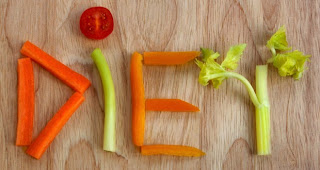
15 Best Diet Tips You Should Try

Everyone knows the keys to losing weight: Eat less and exercise more. Sounds simple enough, but in the context of real life and its demands, it can be anything but simple. So how do successful losers do it? To find out, WebMD asked experts across the country for their best diet tips.

Best Diet Tip No. 1: Drink plenty of water or other calorie-free beverages.
People sometimes confuse thirst with hunger. So you can end up eating extra calories when an ice-cold glass of water is really what you need.
"If you don't like plain water, try adding citrus or a splash of juice, or brew infused teas like mango or peach, which have lots of flavor but no calories," says Cynthia Sass, RD, a spokeswoman for the American Dietetic Association.

Best Diet Tip No. 2: Think about what you can add to your diet, not what you should take away.
Start by focusing on getting the recommended 5-9 servings of fruits and vegetables each day.
"It sounds like a lot, but it is well worth it, because at the same time you are meeting your fiber goals and feeling more satisfied from the volume of food," says chef Laura Pansiero, RD.
You're also less likely to overeat because fruits and vegetables displace fat in the diet. And that's not to mention the health benefits of fruits and vegetables. More than 200 studies have documented the disease-preventing qualities of phytochemicals found in produce, says Pansiero.
Her suggestion for getting more: Work vegetables into meals instead of just serving them as sides on a plate.
"I love to take seasonal vegetables and make stir-fries, frittatas, risotto, pilafs, soups, or layer on sandwiches," Pansiero says. "It is so easy to buy a variety of vegetables and incorporate them into dishes."

Best Diet Tip No. 3: Consider whether you're really hungry.
Whenever you feel like eating, look for physical signs of hunger, suggests Michelle May, MD, author of Am I Hungry?
"Hunger is your body's way of telling you that you need fuel, so when a craving doesn't come from hunger, eating will never satisfy it," she says.
When you're done eating, you should feel better — not stuffed, bloated, or tired.
"Your stomach is only the size of your fist, so it takes just a handful of food to fill it comfortably," says May.
Keeping your portions reasonable will help you get more in touch with your feelings of hunger and fullness.

Best Diet Tip No. 4: Be choosy about nighttime snacks.
Mindless eating occurs most frequently after dinner, when you finally sit down and relax.
"Sitting down with a bag of chips or cookies in front of the television is an example of eating amnesia, where you mindlessly eat without being hungry, but out of habit," says American Dietetic Association spokesperson Malena Perdomo, RD.
Either close down the kitchen after a certain hour, or allow yourself a low-calorie snack, like a 100-calorie pack of cookies or a half-cup scoop of low-fat ice cream. Once you find that you're usually satisfied with the low-cal snack, try a cup of zero-calorie tea, suggests Perdomo.

Best Diet Tip No. 5: Enjoy your favorite foods.
"I think putting your favorite foods off limits leads to weight gain because it triggers 'rebound' overeating," says Sass.
Instead of cutting out your favorite foods altogether, be a slim shopper. Buy one fresh bakery cookie instead of a box, or a small portion of candy from the bulk bins instead of a whole bag.
"You can enjoy your favorite foods, but you must do so in moderation," says Sass.

Best Diet Tip No. 6: Enjoy your treats away from home.
When you need a treat, Ellie Krieger, RD, host of Food Network's Healthy Appetite, suggests taking a walk to your local ice cream parlor or planning a family outing.
"By making it into an adventure, you don't have to worry about the temptation of having treats in the house, and it is a fun and pleasurable way to make it work when you are trying to lose weight," says Krieger.
And for those times you just can't get out? Krieger stocks her kitchen with fresh fruit, which she thinks can be every bit as delicious as any other dessert.

Best Diet Tip No. 7: Eat several mini-meals during the day.
If you eat fewer calories than you burn, you will lose weight. But when you're hungry all the time, eating fewer calories can be challenging.
"Studies show people who eat 4-5 meals or snacks per day are better able to control their appetite and weight," says obesity researcher Rebecca Reeves, DrPH, RD.
She recommends dividing your daily calories into smaller meals or snacks and enjoying as many of them as you can early in the day — dinner should be the last time you eat.

Best Diet Tip No. 8: Eat protein at every meal.
Protein is more satisfying than carbohydrates or fats, and thus may be the new secret weapon in weight control.
"Diets higher in protein [and] moderate in carbs, along with a lifestyle of regular exercise, have an excellent potential to help weight loss," says University of Illinois protein researcher Donald Layman, PhD.
Getting enough protein helps preserve muscle mass and encourages fat burning while keeping you feeling full. So be sure to include healthy protein sources, like yogurt, cheese, nuts, or beans, at meals and snacks.

Best Diet Tip No. 9: Spice it up.
Add spices or chiles to your food for a flavor boost that can help you feel satisfied.
"Food that is loaded with flavor will stimulate your taste buds and be more satisfying so you won't eat as much," says Perdomo.
When you need something sweet, suck on a red-hot fireball candy for a long-lasting burst of sweetness with just a few calories.

Best Diet Tip No. 10: Stock your kitchen with healthy convenience foods.
Having ready-to-eat snacks and meals-in-minutes staples on hand sets you up for success. You'll be less likely to hit the drive-through or call in a pizza order if you can make a healthy meal in 5 or 10 minutes.
Sass stocks her kitchen with:
94% fat-free microwave popcorn (20-25 calories per cup, and you can make it in two minutes or less)
Frozen vegetables
Bags of pre-washed greens
Canned diced tomatoes
Canned beans
Whole-grain wraps or pitas
Pre-cooked grilled chicken breasts
A few containers of pre-cooked brown rice
Within minutes, she can toss together a healthy medley.

Best Diet Tip No. 11: Order children's portions at restaurants.
"When you are eating out, order a child's pizza or a small sandwich as an easy way to trim calories and get your portions under control," suggest Perdomo.
Another trick is to use smaller plates. This helps the portions look like more, and if your mind is satisfied, your stomach likely will be, too.

Best Diet Tip No. 12: Eat foods in season.
"If you don't love certain fruits or vegetables, it could be because you ate them out of season when they have little taste or flavor," says Pensiero. "When you eat seasonally, fruits and vegetables are more flavorful, at their best, and I promise you won't be disappointed."
At GiGi's Trattoria, her restaurant in Rhinebeck, N.Y., she serves simple fruit desserts, like naturally sweet strawberries topped with aged balsamic vinegar, or low-fat yogurt or fresh berries in a compote.

Best Diet Tip No. 13: Swap a cup of pasta for a cup of vegetables.
Simply by eating less pasta or bread and more veggies, you could lose a dress or pants size in a year.
"You can save from 100-200 calories if you reduce the portion of starch on your plate and increase the amount of vegetables," says Sass.

Best Diet Tip No. 14: Use non-food alternatives to cope with stress.
Sooner or later, you're going to be faced with a stressful situation. Instead of turning to food for comfort, be prepared with some non-food tactics that work for you.
Sass suggests reading a few chapters in a novel, listening to music, writing in a journal, practicing meditative deep breathing, or looking at a photo album of loved ones.

Best Diet Tip No. 15: Be physically active.
Although it may seem counterintuitive, don't use exercise either to punish yourself for eating or to "earn" the right to eat more.
"When you do, it sets up a negative thought pattern, which is why so many people say they hate to exercise," says May.
Instead, focus on how great you feel, how much better you sleep and how much more energy you have when you exercise. Physical activity is good for you whether you are trying to lose weight or not, so keep it positive and build a lifelong habit.

Contributor- Kathleen M. Zelman, MPH, RD, LD

113 Year-Old-Man Reveals His Secret: 5 Foods For Long Life

Bernardo LaPallo is not an ordinary man. Born in 1901 and at 113 he is older than any of you and that happened not by chance but by sheer discipline and desire to live longer. He has a few secrets though; five of them to be exact and he shared that so you can live a long life too.
LaPallo who hails from Mesa, Arizona claims that he has never been sick a day in his life and that he has avoid red meat and eats mostly organic food and vegetables. His secret is a recipe that he inherited from his father who was a doctor and a much disciplined man.

Bernardo LaPallo is already 113 years old and still kicking.
If you think that yeah maybe he's 113 years old but can't live decently, you're wrong. He can still do a lot of stuff including solving crosswords and reading books – not ebooks, he is traditional like that.
We listed the five foods below for your convenience:

Garlic
Garlic has been used in many continents as a medicinal herb. It has antiseptic and antibacterial properties that have been proven to work effectively without the side effects.

Honey
Honey, nature's best sweetener has been featured in our blog several times for its wonderful effects. If you need a sweetener, our 110-year-old legend wants you to use this.

Cinnamon
Cinnamon is a popular food enhancer and while extracts from the bark of the cinnamon tree have also been used traditionally as medicine throughout the world, the very cinnamon power you can buy in stores can lower blood cholesterol and prevent onset of diabetes.

Chocolate
The food of the gods is called as such for a reason. And if you think chocolates are just for kids or those with sweet tooth, you're wrong. LaPallo says it's a vital ingredient in having a long life.

Olive oil
Wars have been fought for olive and its oil. We're not kidding. But today you can easily buy them in groceries and they're not expensive at all. Incorporate it in your daily diet and feel the difference.

Do you have any one to add? Try and comment below

Sunday, 14 December 2014

5 Ways You’re Washing Your Hands Wrong

Everyone masters hand-washing as a kid—or so you thought. In a 2013 Journal of Environmental Health study, just 5% of participants washed their hands long enough after using the bathroom. What's more, 23% didn't use soap, and 10% didn't bother to wash their hands at all. Gross!

Lathering up is one of the best things you can do to prevent the spread of germs, especially during cold and flu season. Read on for five mistakes you may be making.

You skip handwashing on occasion

Failing to wash your hands after using the bathroom is just not OK. Your decision to leave without a rinse means you'll be dragging out your own germs and as well as the bacteria you picked up from the door lock, toilet flusher, and other surfaces. Then, you'll deposit those germs on anything you subsequently touch.

Not washing your hands allows these suckers to stick around, and that's bad news if you want to prevent illness. "Skin forms a nice barrier between us and the bugs," says Aileen Marty, MD, a professor of infectious diseases at Florida International University in Miami. "But mucosal surfaces, like your eyes, mouth, and genitals, are more porous so germs can get sucked in."

That means any germs you pick up in the bathroom can linger and potentially spread if you touch another porous area, particularly your mouth—not to mention they can get passed to another person who comes in contact with your dirty hands. Consider this: The average person touches his or her face 16 times an hour, says Charles Gerba, PhD, a microbiologist at the University of Arizona.

If you don't already, you should also wash your hands before eating or preparing a meal, so the food doesn't get contaminated either (hello, food poisoning!). The CDC has a few more suggestions on prime hand washing times, such as after taking out the trash or cleaning the kitty litter

You don't use soap

Soap does a lot more than make your hands smell nice. Soap is a chemical concoction made specifically for lifting sticky bugs off your skin. Since the surfaces of bacteria and viruses are made partly of fatty materials, ingredients in soap create a chemical reaction that grabs onto the germs so they rinse right off with the lather, Dr. Marty says.

Alcohol-based formulas can kill more germs faster than plain soap and water, adds Elaine Larson, PhD, a professor of epidemiology in nursing at Columbia University Mailman School of Public Health in New York City. But don't waste your time on antibacterial products with the ingredient triclosan. There's no evidence that these soaps work better than regular or alcohol-based soaps, and some studies suggest they may contribute to antibiotic resistance and have "unanticipated hormonal effects" in people over the long-term, according to a 2013 U.S. Food and Drug Administration consumer update. Additionally, no evidence exists proving that triclosan provides any clear benefit against bacterial contamination.

Another thing to keep in mind: Liquid soap tends to be more effective than bar soap because it's less likely to be contaminated, Dr. Marty says.

When you're in a pinch, a hand sanitizer that's made with at least 60% alcohol can help too, though it tends to be less effective on super-germy or greasy hands, per the CDC. That's why good old soap and water will always be the number-one choice.

You don't scrub long enough

Soap won't help if you rinse it off immediately. You need to scrub for at least 20 to 30 seconds, long enough to hum "Happy Birthday" twice. Use that time to rub both your palms, the backs of your hands, and between your fingers. Place one hand on top of the other and scrub with your fingers interlaced, then switch. That way you'll cover all sides of both sets of fingers.

One overlooked spot: your fingernails. "A lot of bacteria and viruses can get trapped there," Dr. Marty says. To clean underneath your nails, take your right hand and rub the tips of your fingers on the palm of your left hand and vice versa.

You always use hand dryers

"Studies show you're better off using paper towels," Dr. Marty says. The main problem is that people just don't use hand dryers for long enough for their hands to dry fully—the CDC recommends 30 to 45 seconds—and wet hands spread bacteria more readily than dry hands. Plus, recent research suggests that when people wash their hands poorly, hand dryers may then propel the germs from their hands around the bathroom, making the restroom a grosser place for everyone.


You touch things right after washing

You put so much effort into washing your hands, don't mess it up by touching a grimy spot before you even exit the bathroom (remember, 10% of bathroom-goers don't bother to wash their hands, which means their germs are everywhere). Use a paper towel to turn off the water and a different one to dry your hands. Finally, grab another paper towel to take with you so you can use it as a barrier between your hand and the door before tossing it.

Related Posts Plugin for WordPress, Blogger...